
The
Automatic Filter Analysis System of JOMESA:
Cleanliness
Analysis, Measurement
Process,
The
patented Metal-Nonmetal recognition,
Evaluation
Samples,
Oil
Cleanliness
|
JOMESA HFD: Cleanliness Analysis Overview |
|
Advanced
technical products in automotive, aircraft and medical
industries require clean components. |
|||
|
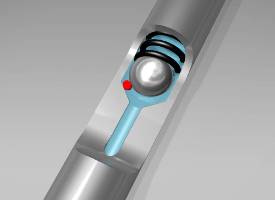
Blocking of Bearings |
Blocking of valves |
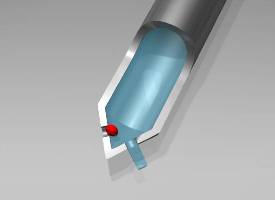
Blocking of nozzles |
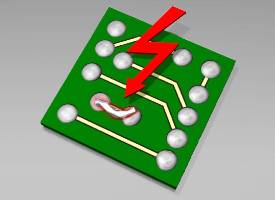
Short circuit |
|
|
|
|
|
What
are the reasons for the increasing cleanliness testing
demand?
Smaller
tolerances make systems more sensitive to dirt
Cleanliness and system life times are correlated
Large residue particles (killer particles) may cause function loss
Exhaust is correlated with smooth (unscratched) surfaces
Noise is correlated with smooth (unscratched) surfaces
Recycle laws demand lead free products (less dirt tolerant)
|
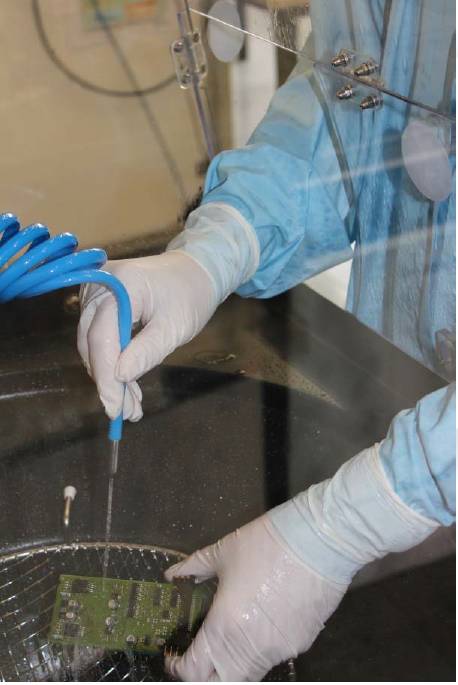
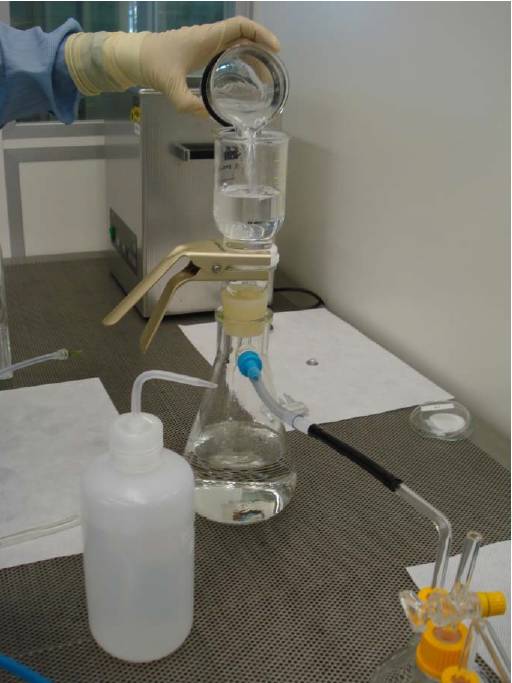
Extract the particles (the dirt) from the part or component by use of fluid |
Filter the fluid by pouring it through a filtermembrane |
|
|
|
|
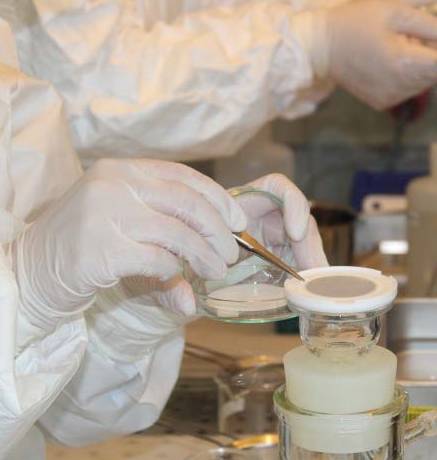
Remove the filter from the filteration
equipment. |
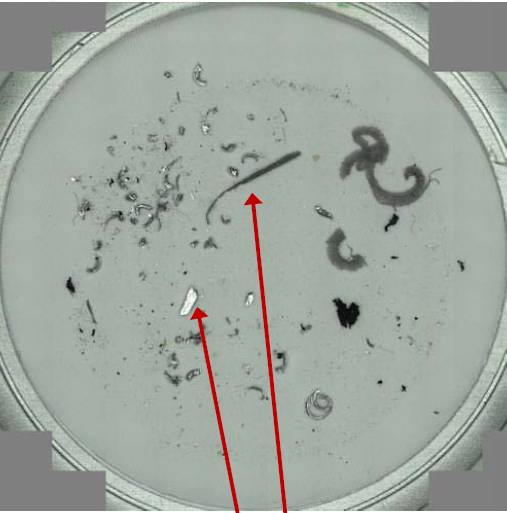
Cleanliness is measured by analyzing filter
membranes which contain the residual dirt of washed
components. |
|
|
|
|
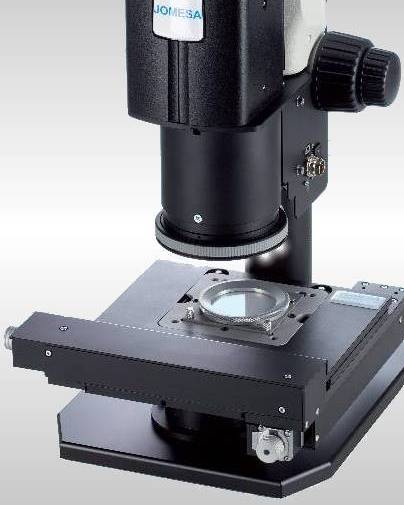
Microscopic
analysis can answer the questions about sizes, metallic and
nonmetallic type as well as fiber type. |
|
|
JOMESA HFD4: lastest generation of HFD (High Focal Depth) cleanliness analysis systems |
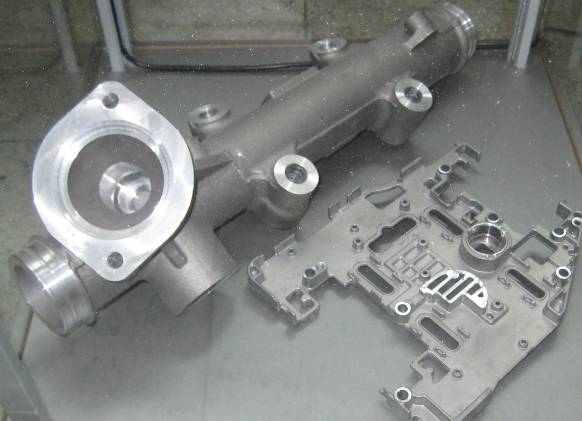
Examples from the JOMESA showroom:
|
|
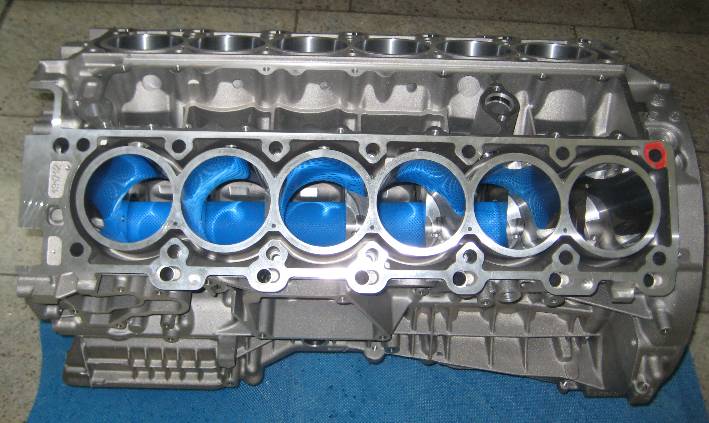
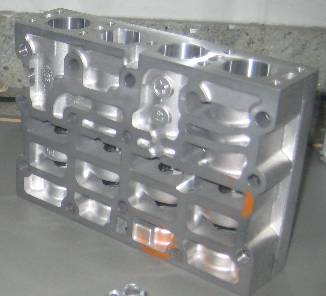
Critical regions of motor blocks: piston
areas, oil pressurized area. Here a massive 12 cylinder engine
block where only very small dirt tolerance is demanded due to
high power output. |
|
|
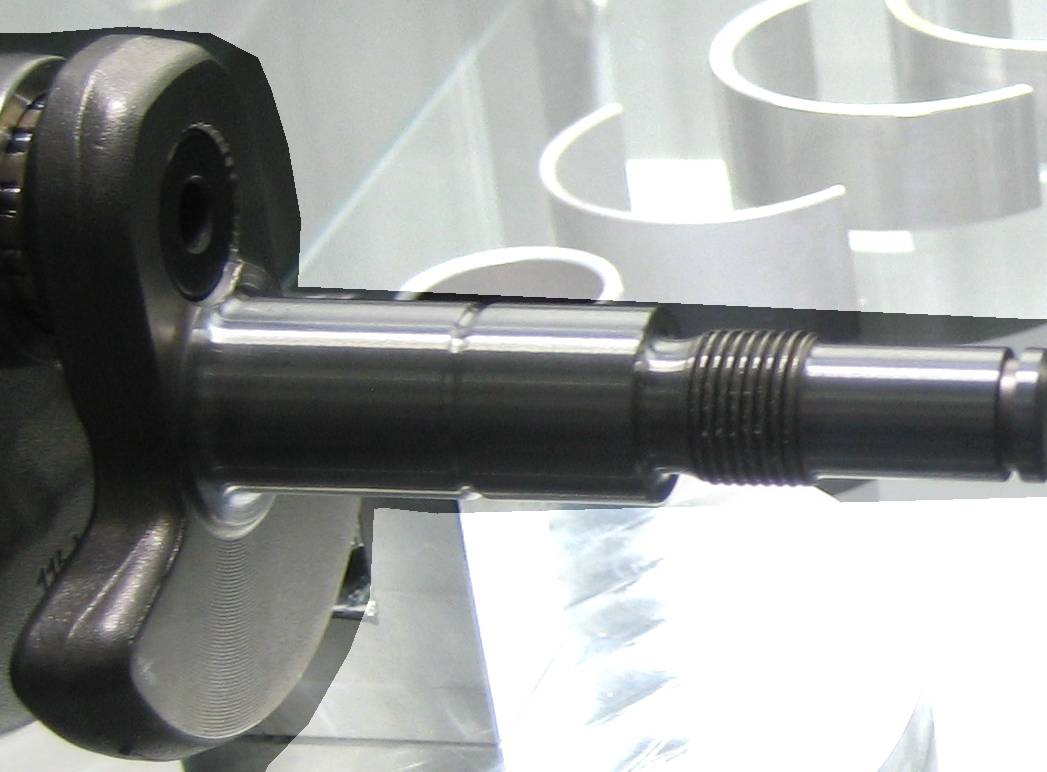
Crankshafts -even as tiny as in a one piston chainsaw- are a critical component concerning dirt. |
|
|
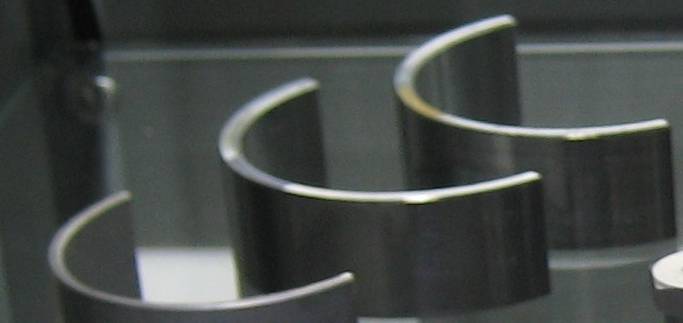
Bearings (between crankshaft and motor block)
must be lead free in modern cars because of recycling
requirements. |
|
|
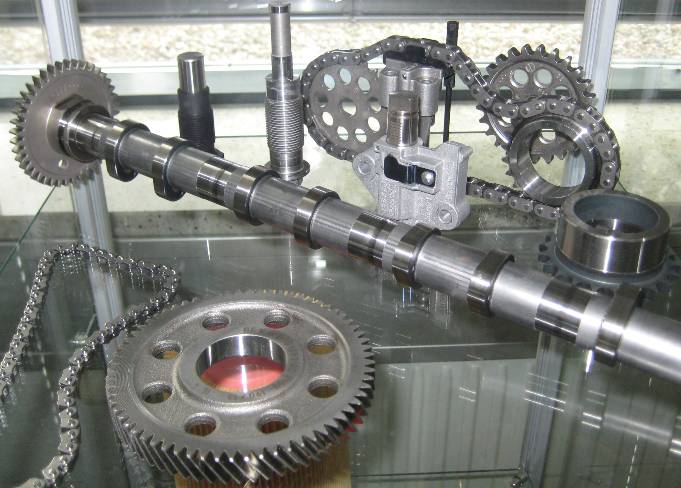
All parts in the oil wetted or oil
pressurized area like camshafts, cogs, chains.. |
|
|
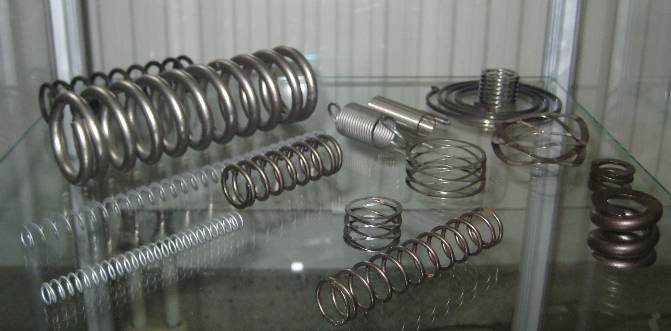
All springs, screws in any oil area of a
powertrain contribute to the residual dirt sum. |
|
|
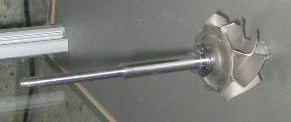
Very residual dirt critical, being one of the
first areas demanding particle size analysis: |
|
|
Turbocharger: |
|
|
Highly residual dirt critical and beeing one
of the first area demanding particle size analysis: |
|
|
Power steering systems work with high pressure and small valve openings. They are all dirt sensitive. |